In short
- Used by French pirate François le Clerc in the 1550s.
- British Admiral Rodney built Fort Rodney between 1779 and 1782.
- Connected to Saint Lucia by a causeway in 1972.
In this article
Pigeon Island holds over 400 years of recorded history. You can walk among colonial ruins, hike up to old cannon batteries, and see the exact views that admirals used to monitor the Caribbean Sea.
Who used Pigeon Island first?
The French pirate François le Clerc used the island as a base in the 1550s.
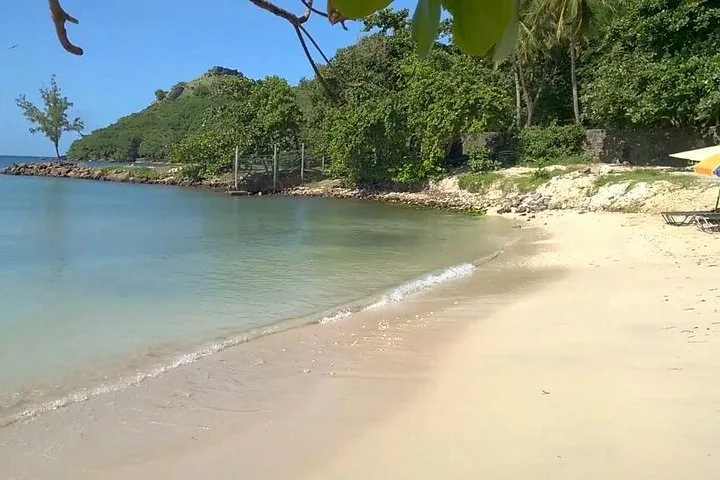
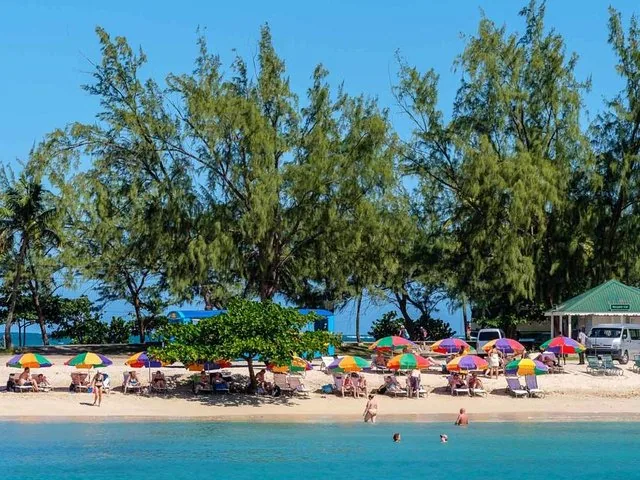
Known as 'Jambe de Bois' due to his wooden leg, le Clerc hid his ships here. He used the isolated landmass to target passing vessels. You can still visit a restaurant named after him near the park beaches.
When was Fort Rodney built?
British Admiral George Rodney built the fort between 1779 and 1782.
The British military used the high elevation to monitor the neighboring island of Martinique. Fort Rodney sits at 225 feet above sea level. You can hike to the top today to see the remaining old cannons.
What military ruins remain on Pigeon Island?
You can see the remains of 18th-century colonial barracks, kitchens, and bunkers.
These structures are scattered across the lower lawns of the park. Before exploring, stop at the Interpretation Centre. It provides context for the stone walls and old military layout.
How did Pigeon Island connect to Saint Lucia?
It was an isolated island until 1972, when a man-made causeway connected it to the mainland.
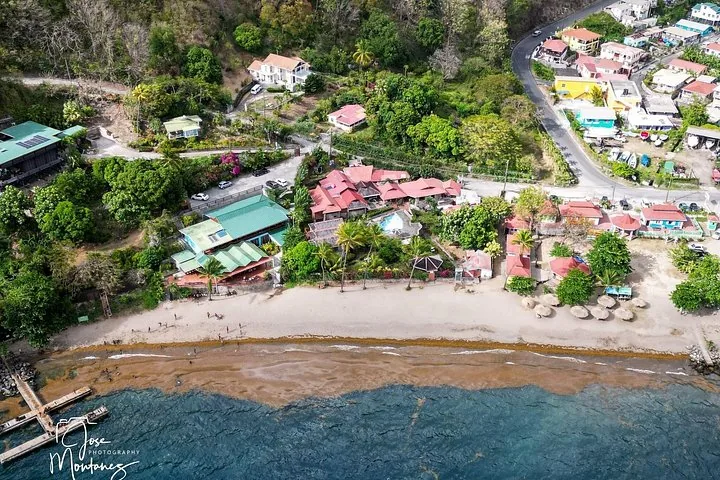
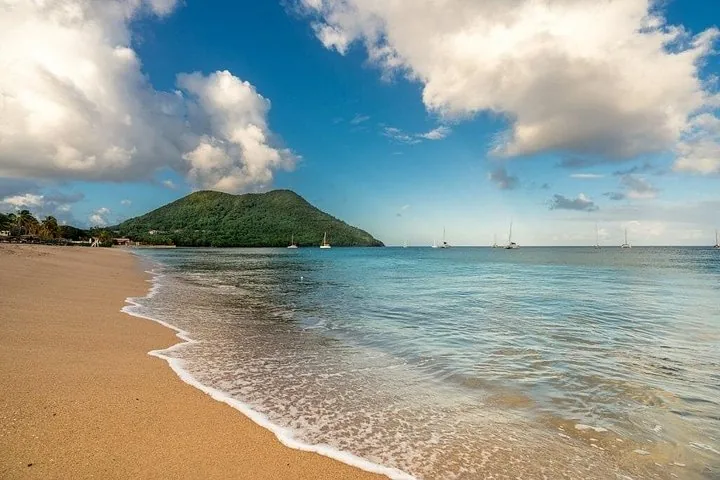
The landmass now links directly to Saint Lucia's northwestern coast. This 44-acre peninsula is easily accessible by car from Rodney Bay or Castries.
When did it become a protected park?
It was designated as a National Park in 1979 and a National Landmark in 1992.
The Saint Lucia National Trust manages and protects the site. They maintain the historic ruins and the forested hiking trails. Visitors are asked not to climb on the fragile historic walls or cannons.
What was Signal Peak used for?
Signal Peak served as the highest unhindered vantage point for the military.
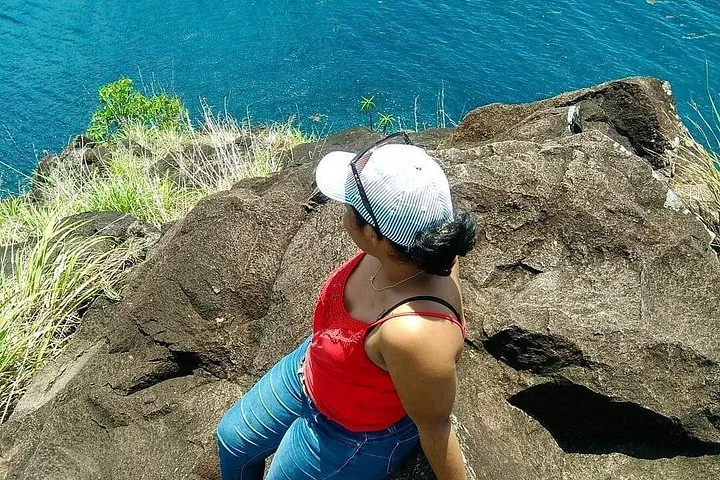
Soldiers used this peak to watch across the Caribbean Sea. Today, the one-hour hike up Signal Peak offers panoramic views of Rodney Bay. The ascent has little shade, so carry water.
Questions travellers ask
What is the history of Pigeon Island St Lucia?
The island started as a pirate base in the 1550s before becoming a British naval fort in the late 1700s. It was joined to the mainland in 1972 and is now a protected 44-acre historical park.
Why is the restaurant named Jambe de Bois?
It is named after the French pirate François le Clerc, who was known as Jambe de Bois because of his wooden leg. He used the island as an early base.
Do I need a guide to see the historical sites?
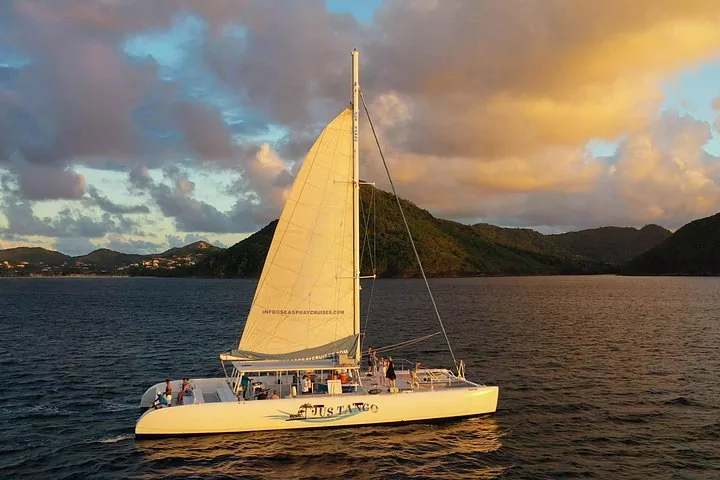
You can walk the historic park on your own. However, a guided half-day excursion often includes a historical walk to explain the colonial ruins and forts.